Monitoring, modelling and mitigating atmospheric pollution
Mission
Scientific knowledge for cleaner air
To advance the understanding, monitoring and modeling of air pollution processes, providing scientific knowledge and operational solutions that support cleaner air, healthier communities, and evidence-based environmental policies.
Scientific scope
APCG investigates the sources, transformation, transport and impacts of atmospheric pollutants across urban and remote environments, capturing local, regional and transboundary emission pathways and processes.
Research combines field measurements, advanced data analysis, and chemometric/numerical modeling to improve air quality assessment, forecasting, and mitigation strategies.
Core capabilities
From observations to operational services
Our work spans the complete air-quality research chain, from pollutant measurement and characterization to forecasting, mitigation and environmental decision support.
Project highlights
Air-quality projects
Selected APCG projects contributing to air-quality monitoring, modelling, citizen science and environmental services.
Loading projects...
No Air Quality projects are currently available.
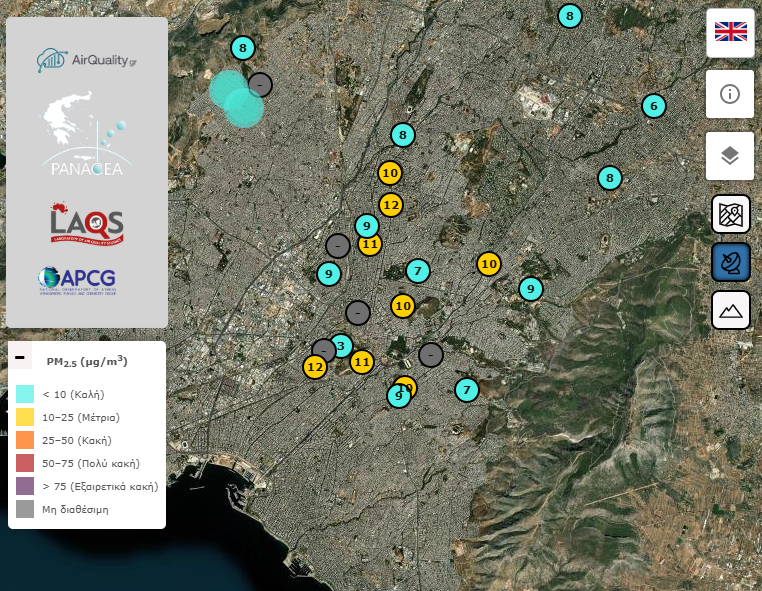
Operational service
air-quality.gr
Explore APCG air-quality information and operational atmospheric services.
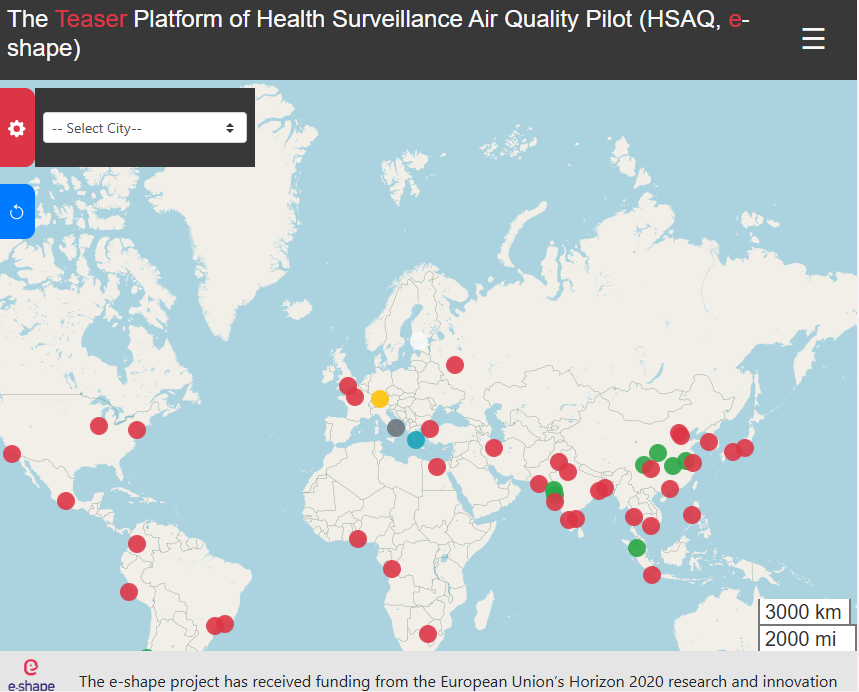
Research platform
HSAQ e-shape
Explore Earth Observation-based air-quality and health-risk information supporting urban planning, public health and pollution awareness.
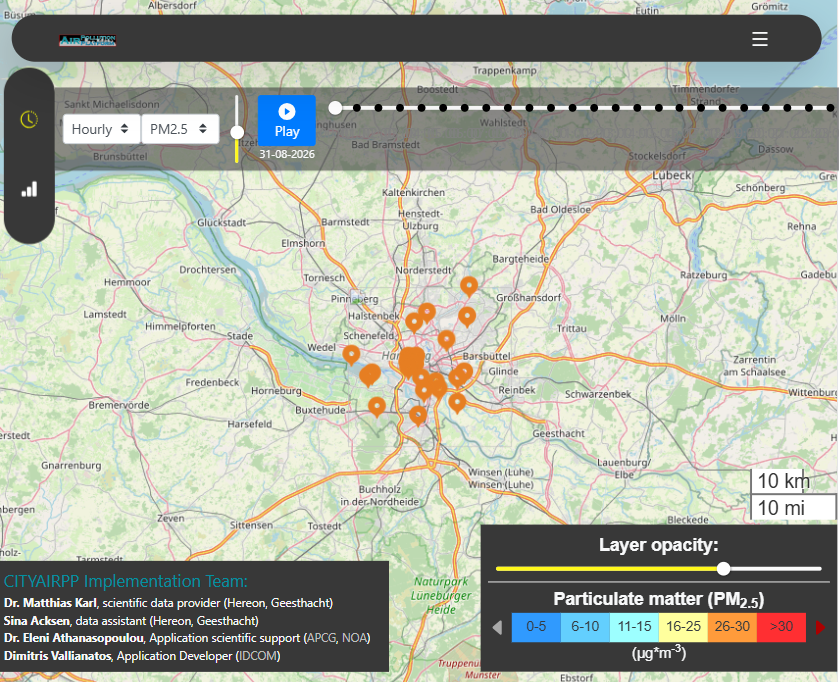
Operational service
CITYAIRPP
Explore high-resolution urban air-quality forecasts for Hamburg, including hourly pollutant concentrations, air-quality indices and monitoring-station observations.
Publication highlights
Recent Air Quality research
The latest peer-reviewed scientific publications associated with APCG Air Quality research.
Loading publications...
No Air Quality publications are currently available.
Collaboration opportunities
Work with us on the future of air-quality research
We contribute expertise in atmospheric measurements, air quality modelling, emission characterization and operational environmental services to multidisciplinary projects addressing environmental sustainability, urban resilience, and regulatory support.